
Digitalisation
Information
Technology
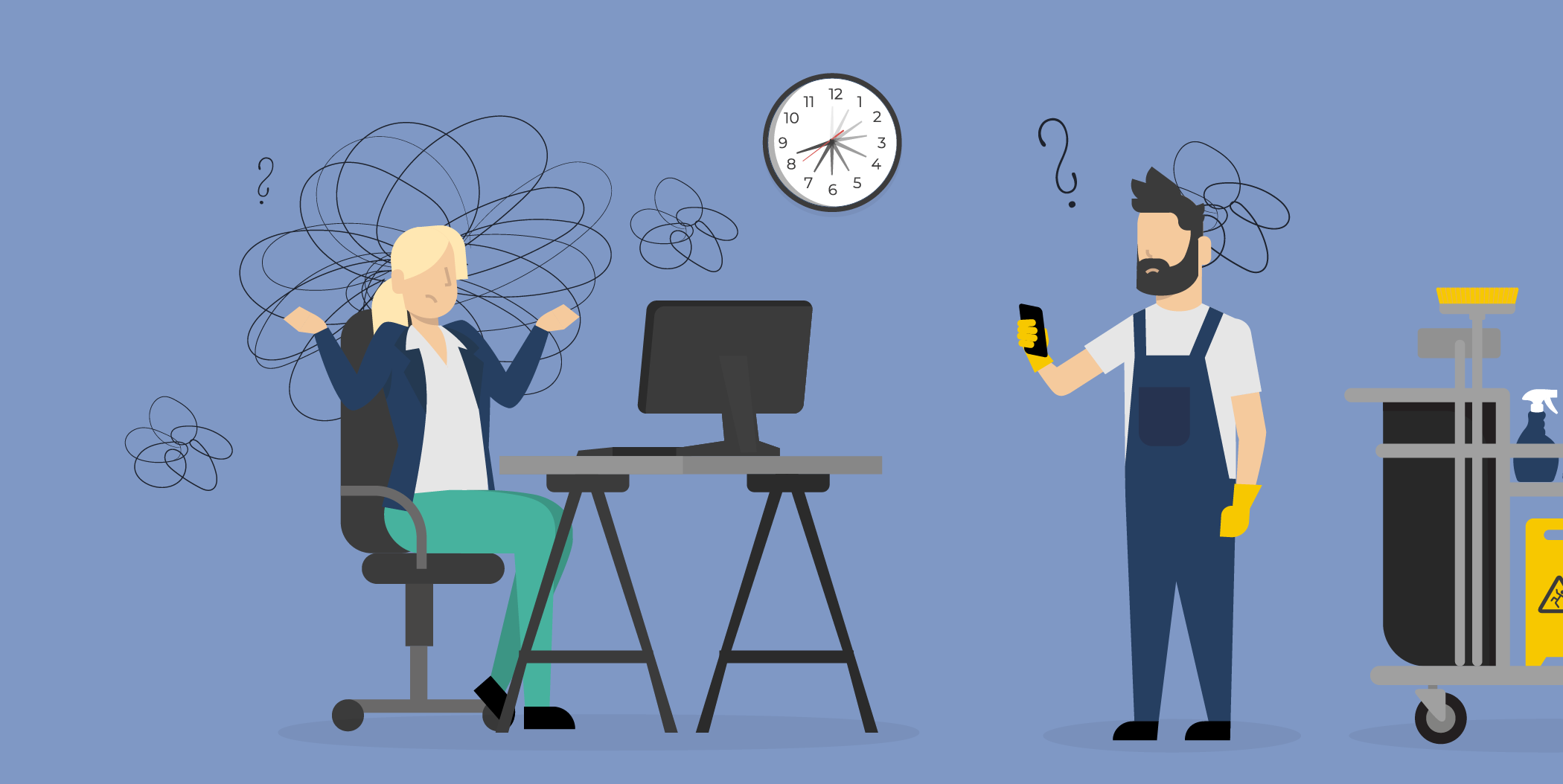

You’re there every day, keeping things running. Dealing with staff changes, tight margins, and the occasional unhappy client. There’s always something that needs your attention, so stepping back or making improvements often gets pushed aside.
Many cleaning businesses are not struggling because something is clearly broken, but because too many things are only partially working. Schedules need constant adjustment. Time tracking is done after shifts. Invoicing is delayed due to missing information.
Unverified hours on site are one of the most common leaks, which is exactly why choosing the right time and attendance system matters as much as tightening the schedule itself.
None of these issues are critical on their own, but “it works” often becomes a reason not to improve. Over time, those small gaps add up and tha'ts where time and money slip away.
Small operational gaps rarely feel like major problems in the moment. A schedule change, a missing check-in, or delayed information often becomes part of the daily routine in cleaning businesses.
But over time, these small gaps create extra admin, repeated follow-up, payroll corrections, and less visibility across sites. That is where time and money quietly start slipping away.
Many cleaning companies continue working this way because the systems they use are not built around how cleaning operations actually work.
Digital tools designed specifically for the cleaning industry can help reduce manual follow-up, improve overview, simplify communication, and create more consistent daily operations.
The goal is not to remove changes or challenges from the day. It is to spend less time firefighting and more time staying in control.
In many cleaning businesses, these gaps are not obvious. They appear in small, familiar situations that become part of the routine.
You might recognise it in:
None of this is unusual. It is often accepted as part of the job.
But over time, it creates extra work. Hours need checking, information has to be chased, and decisions are made without a full overview.
What seems manageable during the week often turns into time spent fixing and catching up later.
Small inefficiencies rarely stay small.
For example, losing just 10 minutes per day across 5 days is nearly an hour a week. Across a team of 10 staff, that can quickly turn into several hours lost every week.
Over time, these small gaps begin to affect more than just daily routines.
The impact often shows up as:
This is where small, daily issues start to affect how the business performs as a whole. As these challenges build, the focus shifts from running the business to constantly catching up. And that makes it harder to stay in control.
When running a cleaning business, the focus on day-to-day operations is essential. But it often leaves little time to step back and improve the way things are done.
In practice, small issues are often left as they are because:
In many cases, it’s simply a matter of priorities and the result of competing demands.
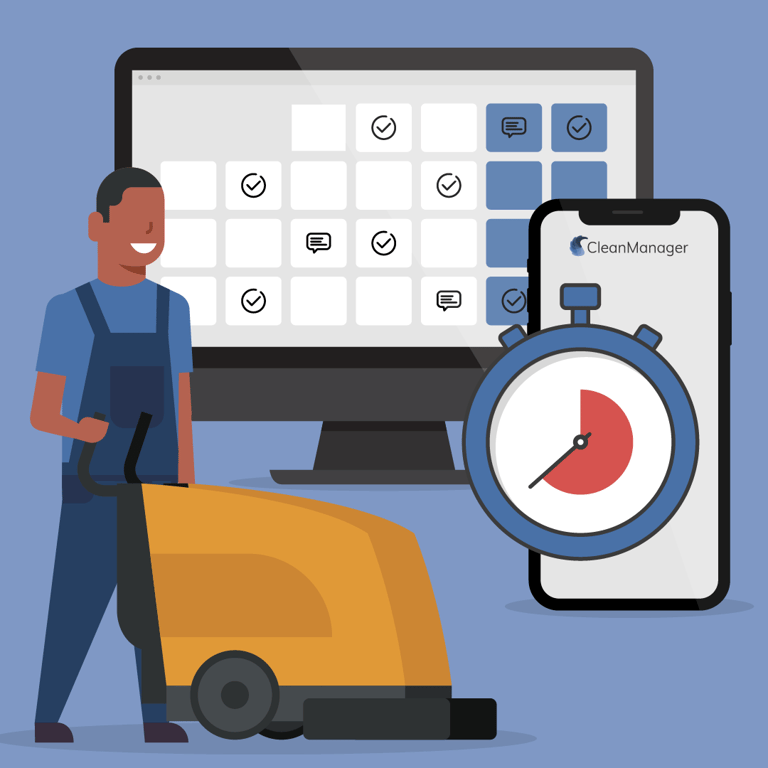
Digital workflows create a clearer and more consistent way to manage daily operations. Instead of relying on memory and manual updates, everything is captured and shared in one place.
With CleanManager, this means:
Working hours, tasks, and updates are recorded as they happen, making it easier to access, verify, and share information when needed.
If you want to explore this topic further, you can read more about how digitalisation supports cleaning businesses here: Enhancing Efficiency Through Digitalisation in the Cleaning Industry.
Want to reduce the small gaps in your daily operations?
See how CleanManager creates better overview, consistency, and control across your sites.
Or book a short 15-minute chat with our Sales Manager, Martin, to see how it could work for your business.
Curious about AI? Start with our 6 practical steps for getting your data and workflows ready first, 6 Steps to Using AI in Your Cleaning Operations.
The impact is not always visible at first, which is why it’s often overlooked. Over time, it affects efficiency, control, and growth.
Looking at the small gaps in your daily operations is where real improvements begin. What gets accepted as routine often holds things back. Identifying and addressing them is what creates the space for more consistent operations, fewer issues to fix later, and a business that runs more smoothly day to day.