Advice
Information
Efficiency
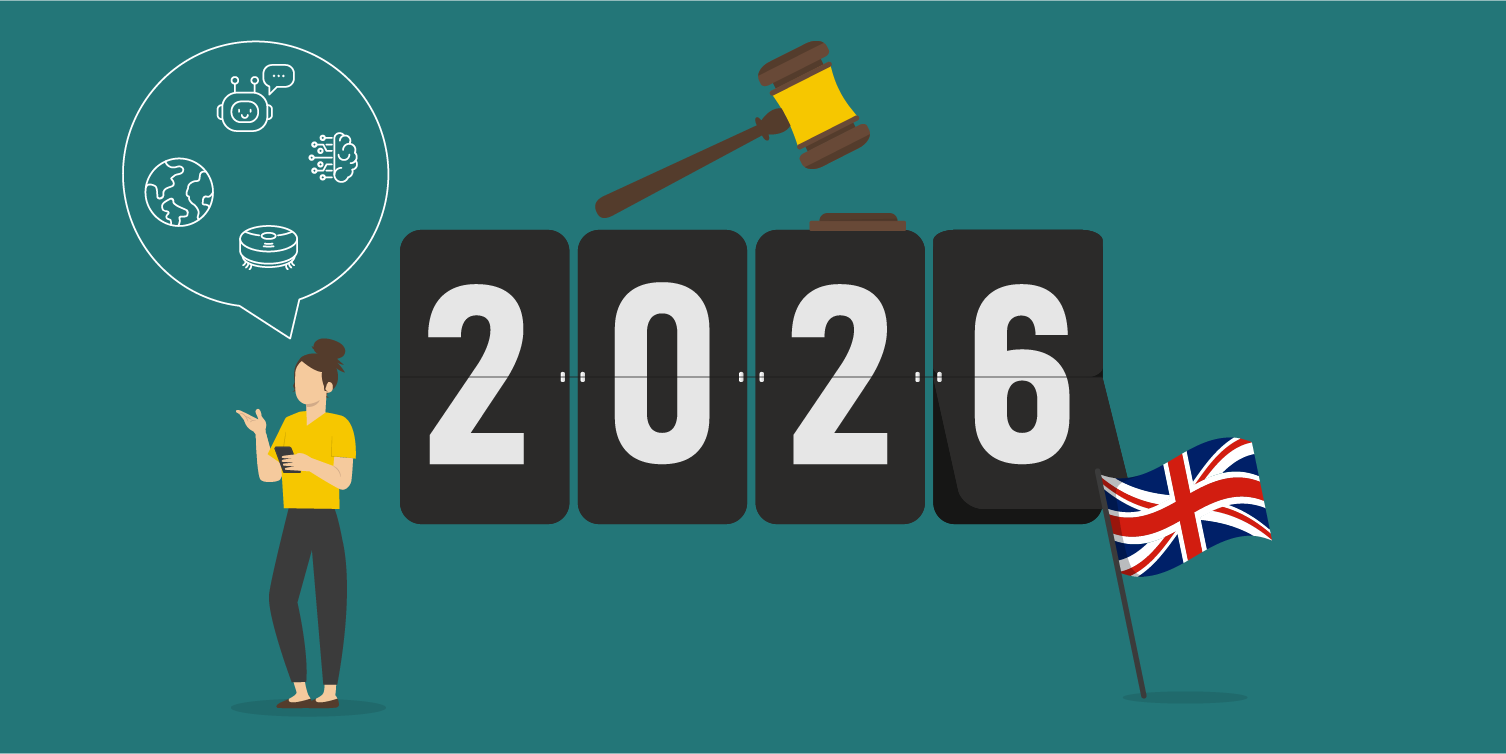

2026 is already well underway, and for many cleaning businesses, the pressure is increasing.
New rules are starting to take effect. Clients are asking more questions. And at the same time, costs and admin are going up.
For most business owners, the problem is not understanding the changes. It’s keeping up with them while running day-to-day operations.
2026 is already bringing new requirements, including updated chemical labelling by August, stricter recycling expectations, and more client demand for documentation.
To stay compliant and competitive in 2026, focus on getting control of your chemicals, staff planning, and daily documentation.
The difference is not the rules. It’s whether you have the structure to manage them.
Several important changes are either already in place or approaching key deadlines this year.
One of the biggest is chemical labelling. By 15 August 2026, all cleaning products must follow the updated classification and labelling rules in Great Britain. This means the labels and safety data sheets for the chemicals you use must be correct and up to date.
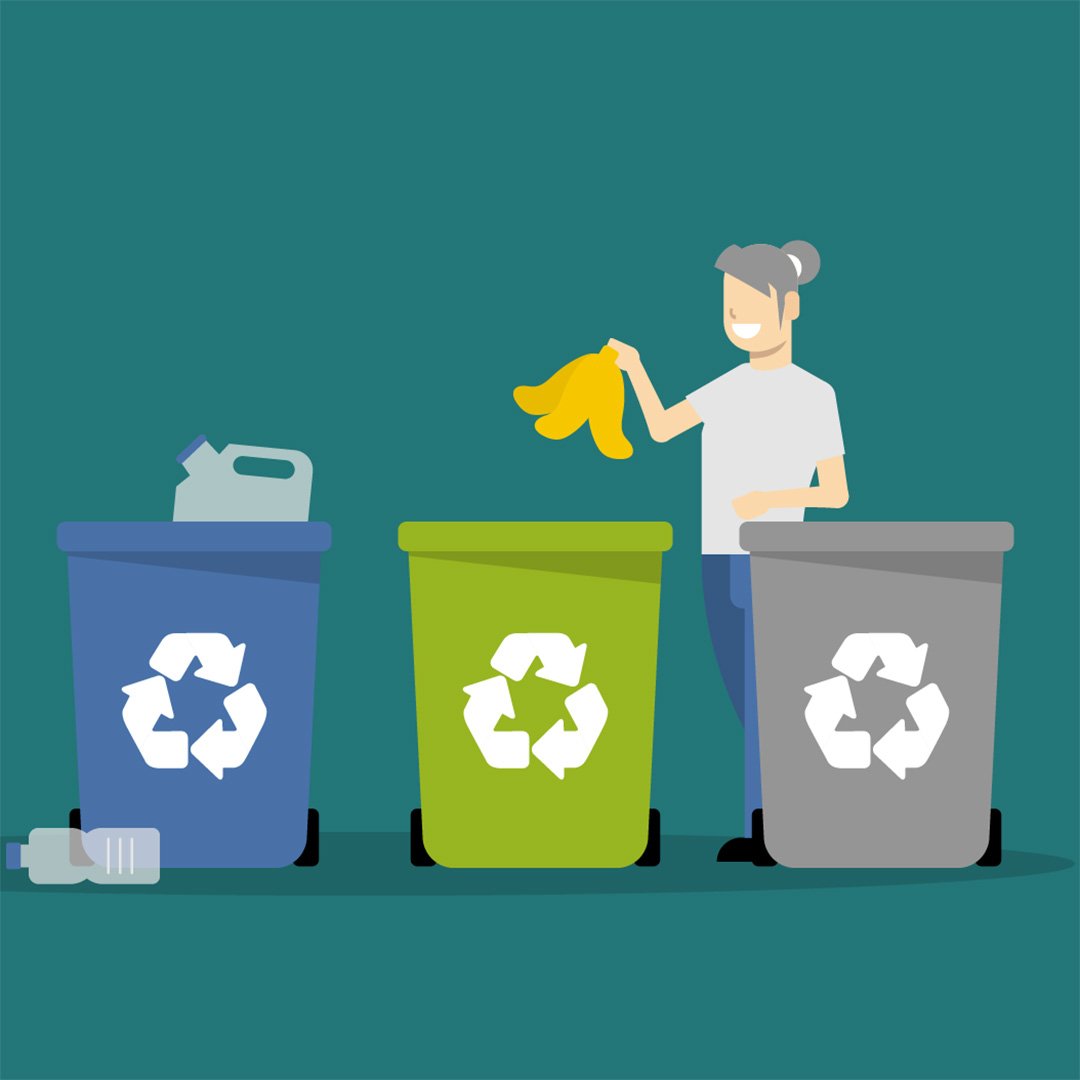
At the same time, recycling rules are being rolled out across England. From 31 March 2026, households must follow the new Simpler Recycling rules, while most workplaces are already expected to separate waste such as paper, plastic, metal, glass, and food waste. (Businesses with fewer than 10 employees are included from March 2027.)
Cleaning staff are often the ones handling this waste on site, which means your business is directly involved in whether it is done correctly.
Alongside this, the UK’s Extended Producer Responsibility (EPR) for packaging is moving into full cost impact for producers and importers. This means suppliers will take on more of the cost of packaging waste, which can lead to:
Even if you are not directly responsible under EPR, you will feel the impact through your suppliers and the products you use.
There are also changes to employment rules. The Employment Rights Act 2025 is already being introduced, with further changes expected through 2026. The focus is on more predictable working hours and better protection for staff, especially around last-minute shift changes and zero-hours contracts.
Update April 2026: The Employment Rights Act 2025 is underway. You can read our article for an overview of the new measures, Employment Rights Act 2025 and What Cleaning Companies Need to Know.
And finally, sustainability reporting is increasing. New UK Sustainability Reporting Standards (UK SRS) are expected to apply to larger companies first. While cleaning businesses may not be directly required to report yet, your clients will be. This means they will increasingly ask you for data on chemical use, waste, and working conditions.
For a full overview of 2026 Trends, read our article, 2026 UK Cleaning Industry Trends: What You Need to Know.
The rules are complex, but the real challenge is managing them in daily operations. When you are busy with staffing issues, client requests, and daily operations, it becomes difficult to keep track of what is happening across your business.
This is where things start to slip. Not because of lack of effort, but because everything depends on memory and manual work.
Instead of trying to handle everything at once, focus on getting control of a few key areas.
Make sure you know which chemicals are used across your sites and that they are correctly labelled before the August deadline.
Be clear about how waste is handled on each site, as clients will increasingly expect you to support their recycling requirements.
Take a closer look at how you plan staff hours and shifts. More structure here will not only prepare you for new rules, but also reduce daily stress.
And improve how you document your work. This is what clients will ask for, and what helps you stay in control.
This is where many businesses hit a wall.
Not because the tasks are difficult, but because they are spread across different places.
To stay on top of things, you need a simple way to:
When this is in place, it becomes much easier to handle both client expectations and new requirements.
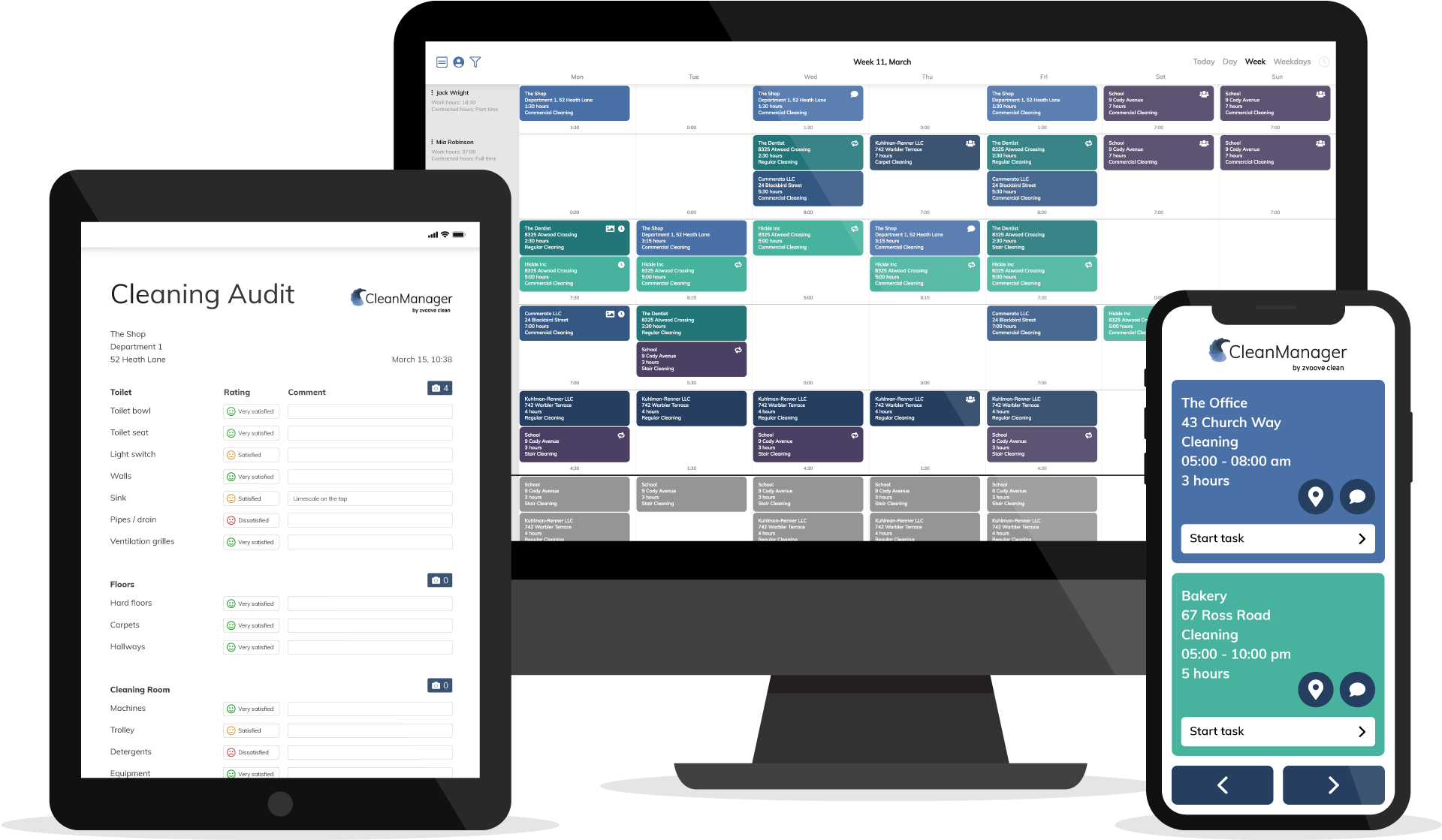
The businesses that manage 2026 best are not the ones doing the most. They are the ones with the best overview.
When you have control over your time, tasks, and documentation, you can respond quickly to clients, avoid mistakes, and deliver more consistent quality.
CleanManager is designed to support this by bringing time tracking, task management, and documentation together in one system, so you can keep track of your operations without adding more admin.
You don’t need more complexity. You need better structure.
Start a free 14-day trial of CleanManager and see how you can track time, manage tasks, and handle invoicing in one system.
Or, book a quick 15-minute chat with our Sales Manager, Martin.