Digitalisation
Quality
Information
-1.jpg?width=1506&height=753&name=price%20value-cover-uk%20copy-100%20(1)-1.jpg)

You might know the feeling of taking on a contract that ends up being priced too low. On paper, it looks good, but in reality it means you don’t have enough time, materials, or staff to do the job properly. Soon you find yourself stretched, costs run over budget, and quality begins to slip. For many owners, this often ends with them stepping in to fix problems themselves with late nights, weekend work, and unhappy clients.
For clients, very low commercial cleaning pricing often leads to missed tasks and inconsistent results. What seemed like a bargain becomes a source of frustration. Both sides pay for unrealistic pricing in the long run.
Undercutting might help you win a contract today, but it creates problems later on. When a price is too low, something must be reduced. Usually, it means:
This leads to a chain reaction many owners know too well: Staff feel pressured, turnover rises, and the quality becomes inconsistent. The real issue is not the team, it’s the price that does not match the work required. Instead of stability, low prices create stress, risk, and lost evenings.
When unrealistically low commercial cleaning pricing becomes normal, the whole industry suffers. Companies are pushed into a race to the bottom and attract clients who switch provider every time someone offers a cheaper price.
This feeds the perception that cleaning is a low-value service, even though it is essential for keeping workplaces safe and presentable. If cleaning fails, everything else follows.
Consider this example: If wages are reduced to fit unrealistic pricing, turnover increases. New staff need training, mistakes become more frequent, and quality drops. Costs rise again, and client satisfaction declines. What looks like a quick pricing tactic becomes a cycle that damages both reputation and profitability.
Across the UK, the cost of delivering cleaning services has changed:
A price that worked three years ago can now be a loss. If old rates are not updated, you may end up working for free without realising it. The contract still exists, but the margin disappears.
Without sustainable commercial cleaning pricing, it becomes difficult to invest in training, planning, and stable staffing. These elements are essential for consistent service.
Many owners know their prices need updating, but they still hesitate. They usually worry about:
This hesitation is understandable, especially when relationships have been built over many years. However, delaying action can increase risk. When margins shrink, staff feel the pressure, training is reduced, and quality begins to decline. And clients do notice these gaps, which then leads to more time spent solving problems instead of preventing them.
Most clients respond well when communication is clear. Explaining why a price needs to change turns the conversation into a practical discussion.
Good communication includes:
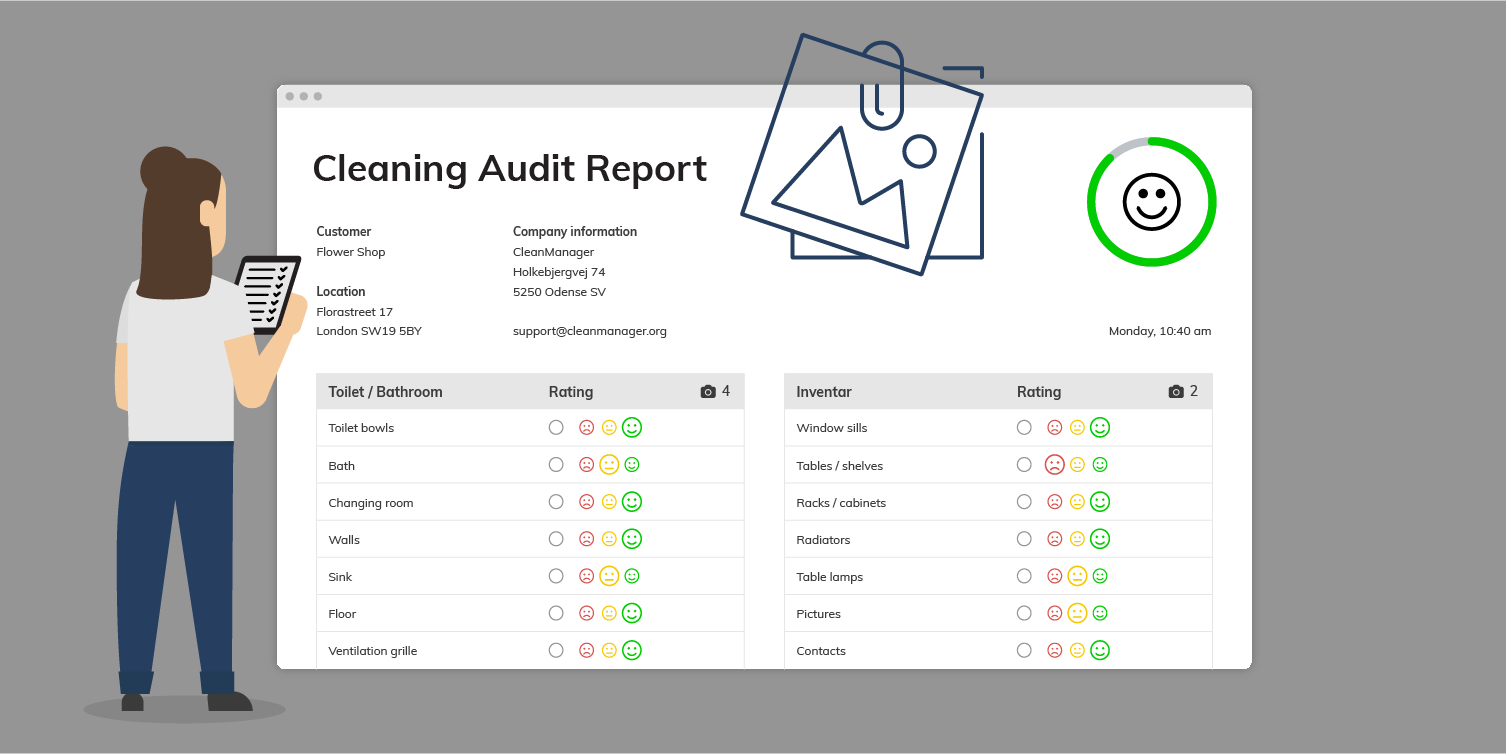
Documentation makes this easier. When you show:
Clients can see what they’re actually paying for. The discussion becomes transparent instead of based on opinion.
Professionalism is the strongest argument for sustainable pricing. When you use clear processes, trained teams, documented tasks, and digital tools, clients become less sensitive to price alone. They see the value of your work.
Regular communication builds trust. A short check-in or a simple update helps clients feel informed. Clients who trust you are far more likely to stay long term instead of switching to the next cheapest offer.
You do not need big changes to stay profitable. Small steps often work best:
These steps reduce the risk of large increases later and make costs easier for clients to understand.
If you would like to learn more, read our article about How to present the right cleaning price.
Digital systems bring clarity to pricing conversations. For example:
This helps clients see the value clearly and reduces resistance to price adjustments.
CleanManager doesn’t solve price dumping, but it equips cleaning companies with the structure, documentation, and insights needed to avoid it and operate sustainably.
Fair pricing supports fair wages. Fair wages create stable teams. Stable teams deliver reliable, high-quality cleaning. Healthy margins allow companies to invest in training, planning, and strong client relationships.
When the industry chooses sustainable commercial cleaning pricing instead of chasing the lowest offer, everyone benefits. Clients receive consistent service. Staff feel secure and valued. Owners gain stability and better control over daily operations.
Sustainable pricing creates stability for clients, teams, and the businesses that serve them.